If Bryson had characteristic animals like the Chinese calendar, this would be the year of the chipmunk. Every season in South Monterey County, we seem to experience an increase in a different population of critters. Some years it's bunnies. Some years it's wood rats. This year it's Neotamias merriami, the Merriam's chipmunk.
Merriam's chipmunk is named after C. Hart Merriam, the naturalist responsible for developing the theory of biological life zones. Life zone theory describes how different species are distributed across geographical areas based on elevation and climate.
The chipmunk explosion can be partially explained by the massive amount of acorns this year. Synchronized seed production events, called mast years, occur every 2-5 years. In a mast year, a mature oak can produce upwards of 10,000 acorns. In theory, a mast event ensures a higher survival rate for new trees. It can also lead to an upsurge in rodent populations.
Because they are so fast, chipmunks are sometimes confused with ground squirrels. However, Merriam's chipmunks carry distinctive dark and white facial stripes that squirrels lack. The fur is grayish-brown with a white belly, and the tail is typically edged with white.
Chipmunks are mainly herbivorous, though they augment their diet with insects and larvae. The bulk of their sustenance comes from acorns, which they carry in their cheeks and cache in the ground. These cached acorns help disperse oak trees. Chipmunk burrowing activity can help to aerate the soil and disperse mycorrhizal fungi. The problem comes when their destructive behaviors interfere with human structures, insulation, and wiring.
A chipmunk burrow can be 30 feet long and 3 feet deep. "Although chipmunks may seem harmless due to their size, they can do quite a bit of damage by burrowing under your lawn," says Meg Pearson, training manager at Critter Control. “If they burrow close to your home or under your patio, their tunnels can put cracks in your cement and basement floors, while also weakening the overall structural integrity of your house and deck,” she explains. If these areas are left unchecked for extended periods of time, Pearson warns that chipmunks can cause significant damage.
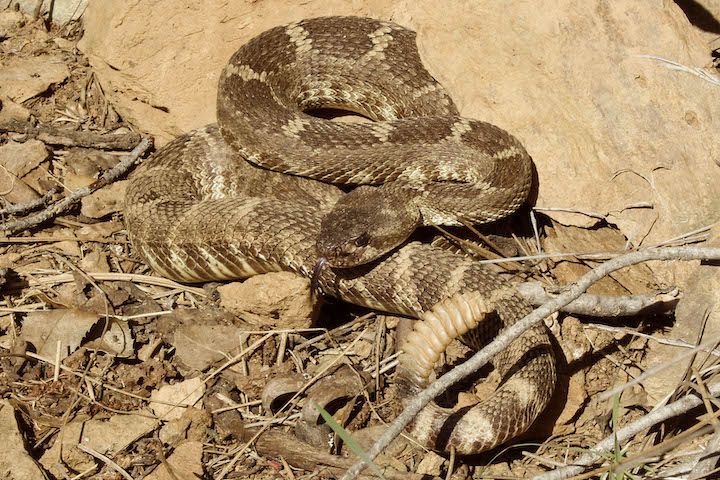
Gardeners are especially annoyed by their voracious appetites. Chipmunks ate every last one of the immature pears on my tree while they were still tiny pips. Even with netting, they'll find a way in, devouring fruits, vegetables, and flower bulbs. Nothing seems to deter them but natural predators. Chipmunk predators include bobcats, coyotes, owls, snakes, and my husband's shotgun.


Comments